
Early life
Charles William Duncan Hutchison (1918–1993), known to the world as Charlie Hutchison, was a Black-British man born in the village of Eynsham near Oxford, to a British mother and a Ghanaian father. His upbringing was extremely difficult, having been taken into foster care at age 3 before spending his early teenage years in an orphanage during the Great Depression.
Outraged by the poverty that his family had suffered and threatened by the rise of fascist movements across Britain during the 1930s, Charlie became involved in anti-fascist and working class political activism. He was present at the Battle of Cable Street and was also a lifelong trade unionist.
Spanish Civil War (1936-1939)
In 1936, a fascist uprising in Spain began with support from Hitler and Mussolini. At the age of 18, Charlie travelled to Spain and joined the approximately 2,500 British & Irish anti-fascists who fought to protect the Spanish Republic. Using his training as a soldier in Britain’s Territorial Army, Charlie made history as the only known Black-British volunteer to fight in the Spanish Civil War. He was also among the youngest volunteers, one of the earliest to arrive from Britain, and one the longest serving.
He survived frostbite, shrapnel wounds, and was a victim of a smear campaign by the Daily Mail. During his first month in Spain, Charlie narrowly survived a battle which killed over half the men in his company. Afterwards he was taken off the frontline and became an ambulance driver, receiving overwhelming praise from his commanders and fellow soldiers. Upon returning to England he joined a charity convoy raising money for Spanish medical aid.

Second World War
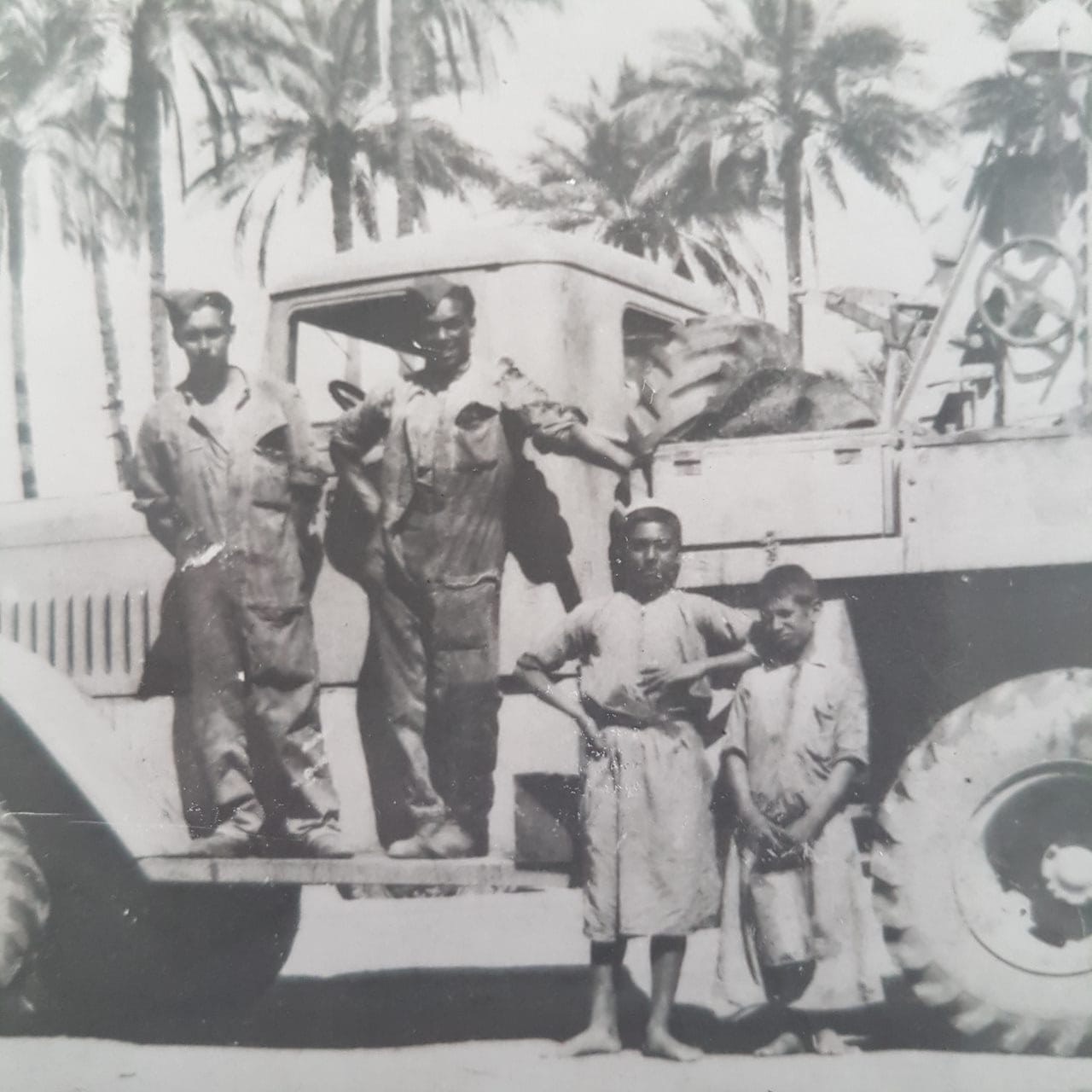
Charlie served the British Army from 1940 to 1946. He was first stationed in England where he began stealing clothes from the Army which he gave away to refugees whose houses had been destroyed in the Blitz. He was caught and sentenced to prison, but was released early and allowed to return to his old post. Later in the war he served in India, Iraq, Iran, and possibly Egypt.
Shortly after D-Day he was sent to Normandy, afterwhich he took part in the liberation of France, Belgium, the Netherlands, and the allied invasion of Germany. In 1945 Charlie was a member of a unit which delivered life-saving supplies to the sick and starving survivors of Bergen-Belsen concentration camp.
Later life
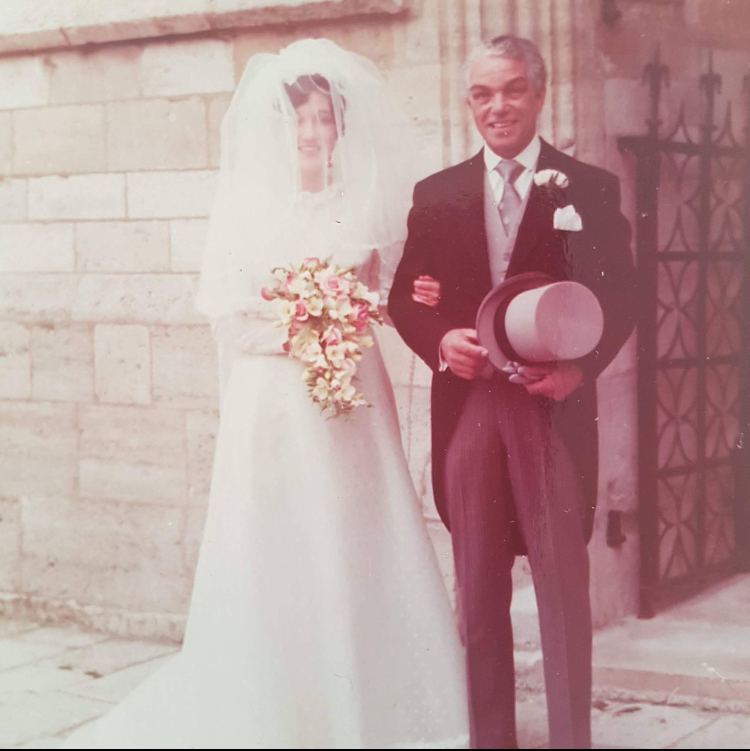
Having survived a decade of war and witnessed some of the worst atrocities in human history, Charlie went onto live a long and happy life in South England. He married the love of his life and had three children, supporting his new family using the engineering skills he had learnt during wartime.
Using his newfound financial stability, Charlie and his wife bought a home and cared for foster children. He outlived Franco’s fascist government and marched in the streets of Spain to celebrate the return of democracy. He passed away in 1993, leaving behind a large family who lovingly remembered him.

Rediscovery
Charlie was a humble man who never fully opened up and shared his wartime experiences. As a result his existence was almost entirely forgotten following his death.
It was not until 2018 that Charlie’s achievements in Spain were uncovered by historian Richard Baxell. A subsequent project of rediscovery headed by London school children of NewVic College, managed to contact Charlie’s surviving relatives. The details of Charlie’s life were then painstakingly pieced together by historians using letters, newspapers, photographs, military records, government papers, and interviews with his surviving family.
The exact details of his life are still being researched, with new discoveries being made frequently.
 The Charlie Hutchison statue & memorial campaign